
Talking Therapy
A creative and reflective approach to understanding yourself
A creative and reflective approach to understanding yourself
Starting therapy can feel different for each person. You may arrive with a clear sense of what you want to explore, or with something more undefined — a feeling that something is not quite right, without knowing how to put it into words.
Talking Therapy offers a space where we can begin from either place.
It is not limited to conversation alone, and you are not expected to have everything figured out before you arrive.
A Way of Working That Meets You Where You are
If you know what you want to talk about, we can begin there.
If words feel less accessible, or what you are experiencing is difficult to explain, we can approach it more gently, allowing things to emerge over time.
Alongside conversation, we may use different ways of exploring your experience, including:
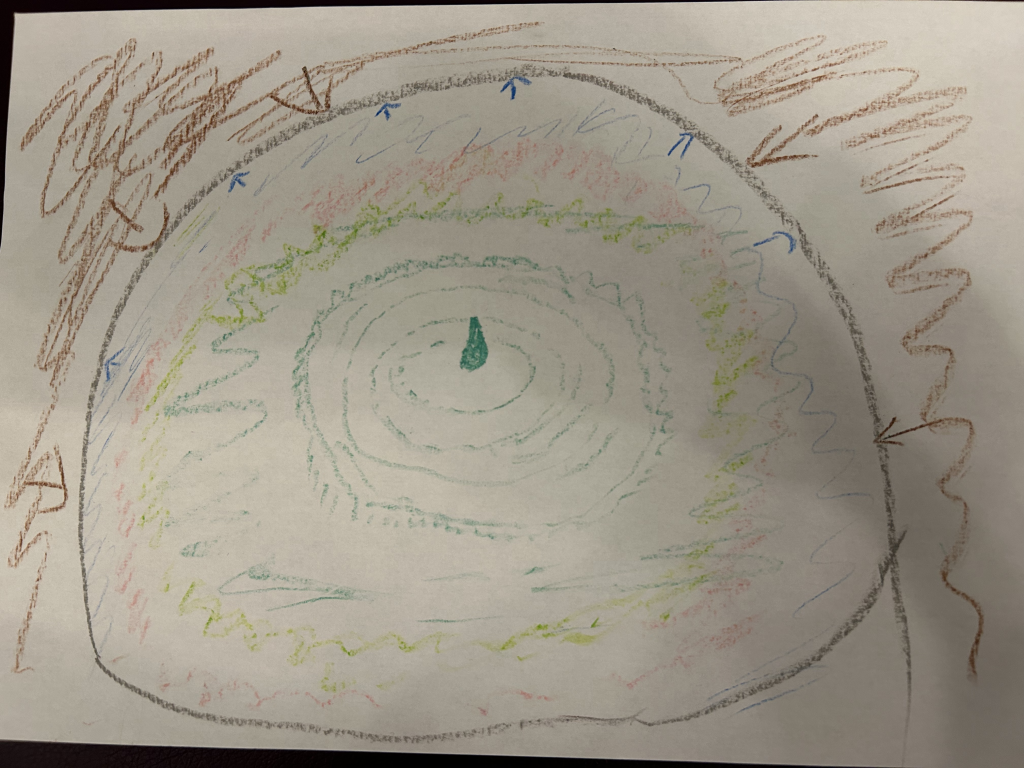
visual or symbolic work, such as simple drawing
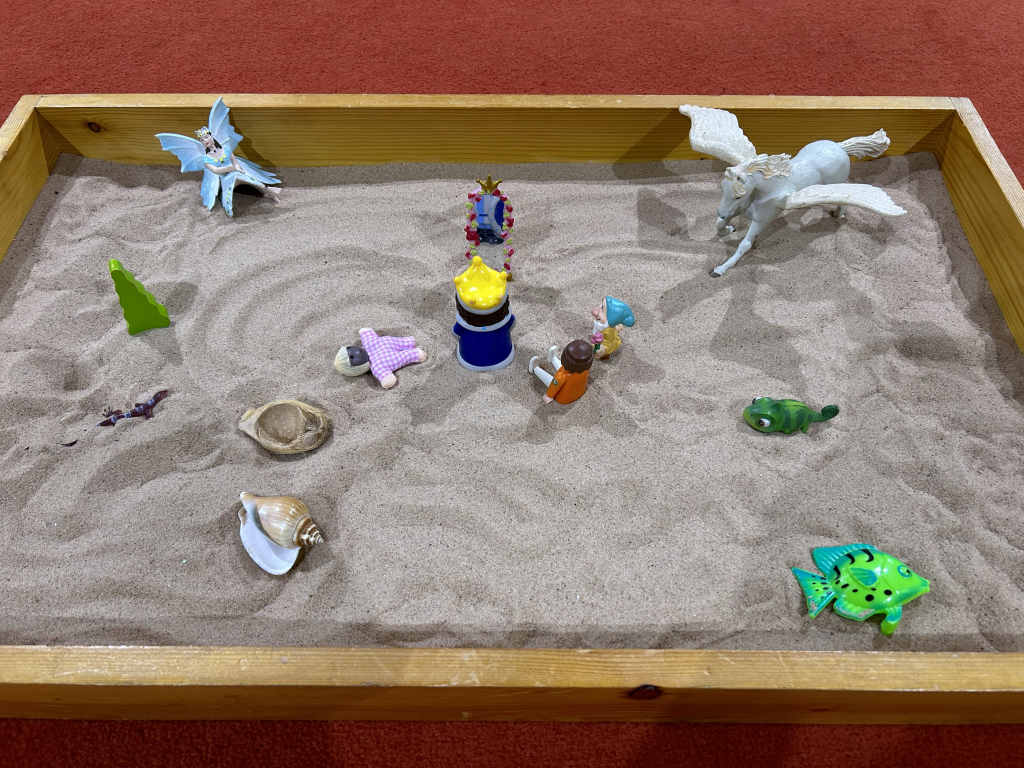
sand play, using objects to represent your inner or relational world
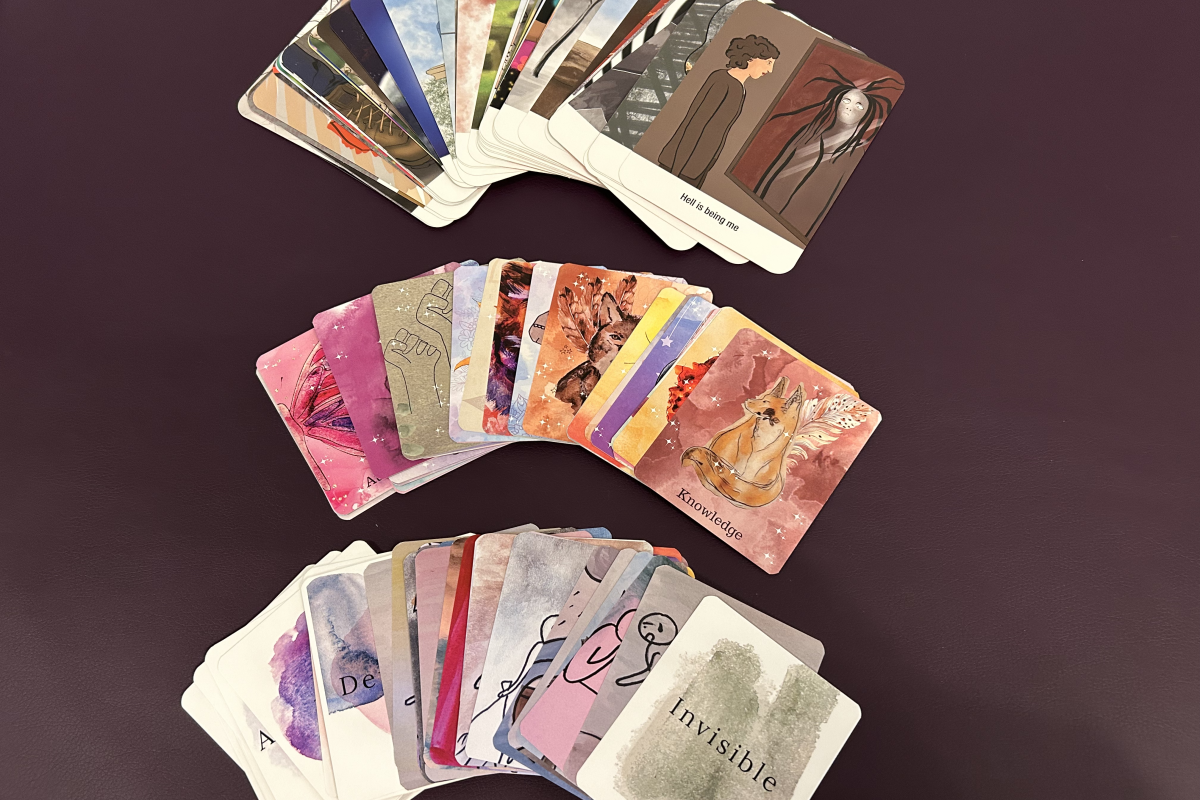
emotional or reflective cards to support expression
working with images, metaphors, or felt impressions
These approaches can make it easier to access thoughts and feelings that are difficult to reach directly, especially when things feel unclear, overwhelming, or hard to put into words.
How the Work Unfolds
Talking Therapy remains grounded in psychological understanding, while allowing space for creativity and exploration.
We may work with:
patterns of thinking and emotional responses
relational dynamics and life experiences
what feels present now, even if it does not yet make sense
the connection between your internal world and your relationships
The work is collaborative and paced in a way that respects your capacity. There is no pressure to go further than feels possible, and no expectation to “perform” or explain yourself perfectly.
Over time, clarity often begins to emerge — not through forcing insight, but through allowing things to take shape in their own way.

When Talking Is Not Enough
For some, Talking Therapy offers enough space for meaningful change.
For others, there may come a point where understanding deepens, yet something remains held at the level of the body — in tension, anxiety, or a sense of being unsettled.
In these cases, it can be helpful to work more directly with the nervous system.
This is where Integrative Therapy for Mind & Nervous System offers a deeper form of work, combining psychological exploration with hands-on body-based support.
Who This Work Suit
Talking Therapy tends to suit those who:
have something they want to explore, or a sense that something needs attention
prefer to begin through conversation, or with the support of creative approaches
want a space that allows exploration without pressure
are reflective, thoughtful, or internally aware
are looking for depth, at a pace that feels manageable
You do not need a diagnosis or a fixed goal to begin.
What Clients Often Notice
Over time, people often describe:
a growing sense of clarity and internal coherence
easier access to thoughts and feelings
a deeper understanding of patterns and relationships
a sense of relief in not having to “figure everything out” alone
Change tends to unfold gradually, through reflection, expression, and the therapeutic relationship.
Practicalities
Talking Therapy sessions are 60 minutes and can be offered in person (Brentwood and Chelmsford, Essex) or online (Zoom).
If you are unsure whether this way of working is right for you, we can begin with a free initial conversation to explore what you need and whether working together feels like a good fit.
Further details about session structure, booking, and fees can be found on the Session Structure, Booking and Fees page.
A short, no-obligation conversation to see whether working together feels right
© Ruta Gabalis Integrative & Therapy
Therapy locations:
Brentwood: Monday, Tuesday, Wednesday & Friday
Chelmsford: Thursday
Online: Monday, Tuesday, Wednesday & Friday